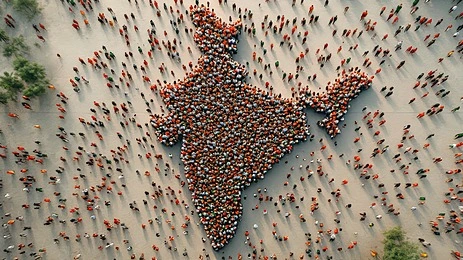
PAN انڈیا کی مردم شماری 2027 بیداری کی پہل

ہر جین کو دو شمار

مردم شماری 2027 میں ہر جین نے درست طریقے سے گنتی کی۔

ہر جین خاندان کو آگاہ کرنے کے لیے ایک پہل تاکہ وہ قومی مردم شماری 2027 میں درست شمار ہوں۔

یہ کیوں اہمیت رکھتا ہے۔

صحیح طور پر شمار کیا جانا خود ایک شناخت ہے۔

جب جینوں کو صحیح طریقے سے شمار کیا جاتا ہے، تو ہماری تعداد، ہماری آواز اور ہماری نمائندگی محفوظ رہتی ہے۔

Let Every Jain Count (LEJC) ایک شعور بیداری کی مہم ہے جس کا واحد مقصد یہ یقینی بنانا ہے کہ بھارت کی قومی مردم شماری 2027 میں ہر جین کی گنتی درست طریقے سے ہو۔ ہم صرف شعور پھیلاتے ہیں تاکہ کوئی جین خاندان رہ نہ جائے۔

ہماری شناخت کیوں اہم ہے

پانچ وجوہات کہ ہر جین کا شمار کیوں ضروری ہے

ہماری تاریخ قدیم ہے، ہمارا تعاون غیر معمولی ہے، ہماری شناخت دیر سے مستحقِ توجہ ہے۔ مردم شماری 2027 وہ ذریعہ ہے جس سے ہم اِن سب کی حفاظت کرتے ہیں۔

مردم شماری 2027

قومی مردم شماری 2027 کے لیے آگاہی پھیلائیں۔

مردم شماری 2027 ہر جین خاندان کے لیے ایک دہائی میں ایک بار درست شمار کرنے کا لمحہ ہے۔ LEJC رضاکار اپنے شہروں، سنگھوں اور خاندانوں میں بیداری پھیلاتے ہیں تاکہ کسی بھی جین گھرانے کی کمی محسوس نہ ہو۔

مردم شماری 2027 کے رضاکار بنیں۔
آج ہی رضاکار کے لیے درخواست دیں۔
ابھی اپلائی کریں۔
آپ کو کیا کرنا ہے

مکمل شناخت کے لیے دو قدم

پہلی بار، ہر ہندوستانی اپنا مردم شماری فارم خود بھر سکتا ہے۔ یہاں بالکل واضح ہے کہ ہر جین خاندان کو کیا کرنا ہے۔

1 اپریل, ستمبر 2026

مرحلہ 1 مکمل کریں, مکانات کی فہرست سازی

This phase asks about your home. There is no religion question yet — religion is recorded later, in Phase 2 — but Phase 1 is the gateway. Without Phase 1, Phase 2 will not find you.

  • خود اندراج کی 15 دن کی مدت کے دوران اپنے گھرانے کا ڈیٹا بھریں۔
  • آپ کو ایک SEID نمبر ملے گا, اِسے محفوظ رکھیں۔
  • ایک مردم شماری اہلکار توثیق کے لیے آئے گا, آپ کو لازماً اُن سے ملنا ہے؛ صرف خود جمع کرانا مکمل نہیں ہے۔
  • یقینی بنائیں کہ آپ کے گھرانے کا ہر فرد فہرست میں شامل ہو۔
2 فروری 2027

مرحلہ 2 میں JAIN لکھیں

یہ تاریخی لمحہ ہے۔ پہلی بار، آپ اپنا مذہب خود لکھیں گے, واضح طور پر، اعتماد سے اور بغیر کسی جھجک کے۔

  • جب مذہب پوچھا جائے تو لکھیں: JAIN۔
  • Digambar, Shwetambar, Sthanakvasi, Terapanth, Srimad Raj Chandra, Songarh, Taranpanth and more: all are one identity, JAIN.
  • کوئی سرنیم یا گوتر تبدیل کرنے کی ضرورت نہیں۔
  • Ensure Phase 1 is complete; a household that is not listed may be missed.
توڑنے والی عام غلط فہمیاں

“ہمارے علاقے میں سروے پہلے ہی ہو چکا ہے۔”, وہ ایک الگ سروے تھا، مردم شماری نہیں۔

“میں نے خود اندراج کا فارم جمع کرا دیا ہے، تو میرا کام ہو گیا۔”, اہلکار کی توثیق بھی ضروری ہے۔

“حکومتی ڈیٹا خود بخود درست ہو گا۔”, مردم شماری ایک انسانی عمل ہے جس میں معلوم کمی واقع ہوتی ہے۔

“میرا فرقہ دوسرے جینوں سے مختلف ہے۔”, مردم شماری میں، تمام جین فرقوں کی ایک ہی شناخت ہے: JAIN۔

تحریک میں شامل ہوں۔

آج ہی شامل ہوں۔

اگر ہم نے ابھی عمل نہیں کیا تو آنے والی نسلیں ہماری شناخت کا نامکمل ریکارڈ آگے لے جائیں گی۔

Let Every Jain Count is an awareness initiative with one mission, making sure every Jain is counted correctly in the National Census 2027.

Questions & Answers

Frequently Asked Questions

Census 2027, self-enumeration, and how every Jain is counted correctly.

What is Census 2027?

Census 2027 is India's next national census, conducted in two phases: the House Listing and Housing Census, followed by Population Enumeration. It is the once-in-a-decade count that decides how every community, including Jains, is represented in official data.

What are the two phases of Census 2027?

Phase 1 is the House Listing and Housing Census (April to September 2026), covering house condition, amenities and assets. Phase 2 is the Population Enumeration (February 2027), which records demographic and individual details, including religion.

When will Census 2027 happen?

Phase 1 (House Listing) runs from 1 April 2026 through September 2026 across different states. Phase 2 (Population Enumeration) is scheduled for February 2027. The reference date is 1 March 2027 (1 October 2026 for snow-bound areas).

What happens in Phase 1?

Phase 1 has 33 questions notified by the Official Gazette, covering house structure, usage, the number of persons normally residing in the household, household head, amenities, assets and mobile number. There is no religion question in Phase 1; that comes in Phase 2.

What information is collected in Phase 2?

Phase 2 (Population Enumeration) collects demographic details, socio-economic status, education, migration and fertility data for each individual. This is the phase where religion is recorded. Exact dates and questions will be notified in due course.

Why does Census 2027 matter so much?

Three reasons. One, the census happens once in 10 years; the next opportunity is around 2037. Two, Phase 2 records religion, and that single entry shapes how the community is seen in policy and planning for a decade. Three, for the first time self-enumeration is available, so every household can take part directly.

What is self-enumeration (SE)?

Self-enumeration lets you fill your own household information on the official government portal using your mobile number and OTP. After submitting, you receive a SEID (Self-Enumeration ID). An enumerator will still visit to authenticate the data; self-enumeration is preparation, not completion.

How do I do self-enumeration for Census 2027?

Visit the official SE portal, log in with your mobile number, identify your location on the map, fill your household details and submit. You then receive a Self-Enumeration ID (SEID). Share that SEID with the enumerator during their field visit so your data is confirmed and included in the Census.

What is SEID?

When you fill your household information on the Census App or SE portal, you receive a Self-Enumeration ID (SEID). Keep it safe. When the census officer visits your home, give them this SEID so they can authenticate your filled details and register you in Phase 1.

Why does the officer still visit after self-enumeration?

Because self-enumeration is preparation; final validation happens through enumerator authentication. Receiving a SEID does not mean the process is complete. The enumerator visit is mandatory whether or not self-enumeration was done.

Is Census 2027 data secure?

Yes. Census data is collected and protected under the Census Act, 1948. Necessary data-security measures have been put in place for both the Mobile App and the Self-Enumeration portal.

Does the census form have “Jain” as an option?

Yes. Jain is listed as a distinct religion category in the census household schedule and has been reported separately in past census religion releases. If you are Jain, the correct entry is simply: Religion, Jain.

What is the most important thing to do during the census?

If you are Jain, clearly answer “Religion: Jain” for every member of your household when asked in Phase 2. That single, clear answer is what this campaign is about.

If I am Jain, can I just write Hindu because it is easier?

No. The census has Jain as its own official option. Writing Hindu when you are Jain quietly removes your family from the Jain count. Our temples, festivals and traditions are Jain, and the form respects that with its own category. You can hold that with pride without disagreeing with anyone.

Do I need to change my surname or gotra?

Absolutely not. There is no need to change your surname, gotra or family identity. The census records religion based on what the household states, not on surname. This is a common myth.

Many Jains have non-Jain surnames. Does that confuse the count?

Many Jain families use surnames common across communities, as they have for generations. The census records religion based on what the household states, not on the surname. The single most important step is to clearly answer “Religion: Jain” when asked.

Should Digambar and Shwetambar do anything different?

No. Across all paths within the Jain tradition, Digambar, Shwetambar, Murtipujak, Sthanakvasi, Terapanth and others, the census entry is the same: Religion, Jain. The campaign treats every Jain sampradaya as equal.

Will writing Jain cause any harm or loss of benefits?

No. The census is statistical counting, not a benefit-allocation mechanism. Existing legal status, schemes and identity documents are not changed by what you write. Jains have been counted as a separate religion category for decades.

Am I legally required to answer census questions?

Under the Census Act, a census officer may ask questions as directed by government instructions, and you are legally bound to answer to the best of your knowledge and belief.

Is census data confidential?

Yes. The Census Act states that census records and schedules are not open to inspection and are not admissible as evidence in civil proceedings, except in limited cases specified by law.

Why does correct counting matter for a small community?

Smaller communities are the ones most affected when data is unclear. Visibility in the official count shapes how community institutions, heritage sites and traditions are recognised in policy and planning for years. Being a smaller share of the population is exactly why correct counting matters more, not less.

Our survey is already done, the BLO came. Was that the census?

Not every survey is the census. A BLO visit, a state survey or a caste survey are different processes. Census counting is valid only when, during the official census period, an official census representative completes the household process and the required verification happens. The enumerator visit is mandatory whether or not self-enumeration was done.

What can one person do for this campaign?

Ensure your own household is counted correctly, prepare your immediate family, and spread awareness in your circle. You do not need to do anything big; making sure correct counting happens, household by household, is what builds the chain.

What is the 4 families call?

Every Jain has four grandparental natal families: paternal-paternal, paternal-maternal, maternal-paternal and maternal-maternal. The 4 families call is a simple mission, reach out to all four and make sure every household is ready for Census 2027. It is finite, doable, and one of the highest-impact actions a single person can take.

I only have one hour a week. What can I do?

One hour is plenty. You can forward campaign messages to your four family branches, share the helpline 92898-11008 in your WhatsApp groups, or call one mandir trustee to suggest a small self-enumeration camp. Consistent small actions compound.

What is a mandir self-enumeration camp?

A mandir SE camp is a one-hour gathering at your local mandir, upashray or society where 5 to 10 families self-enumerate together with help. One small camp typically results in 10 to 50 households correctly counted in a single sitting.

How can sant or muni shri help?

Sant and muni shri play one of the most important roles, through a line or two in pravachan that reaches thousands of devotees, awareness compounds enormously. A Sant Kit with verified, sect-blind talking points is available so every saint across our sampradayas can speak about Census 2027 with clarity. Reach out via 92898-11008.

How can women in the community help?

Women are often the strongest connectors across families and across the four branches. A mother, sister or daughter making one round of calls to the four family branches typically reaches more households than any other action. Mahila mandals at mandirs are among the most effective places to host SE awareness camps.

How do I become a volunteer (Jain Janganna Saathi)?

Register on the official LEJC site with your name, phone number and area. A Saathi spreads verified awareness, helps families prepare, assists with self-enumeration and reminds people to answer “Religion: Jain” clearly. You do not need to be an expert to help.

Why should I trust LEJC?

LEJC is an independent, non-political civic awareness initiative. It does not collect personal data, does not submit anyone's census on their behalf, and does not ask for money. The actual census happens through the official government portal and enumerators; LEJC's only role is awareness.

Is this a scam or fundraising?

No. The campaign emphasises time and awareness, not money. If anyone uses LEJC's name to ask for donations or payments, please verify through the official helpline 92898-11008 or the official website before responding.

What is the campaign helpline number?

The campaign helpline is 92898-11008. You can give a missed call from any phone at no charge, and the system connects you back on WhatsApp with the right information for your area. Share this number widely in your family and mandir groups.